GEORGIA:
The Birthplace of Wine
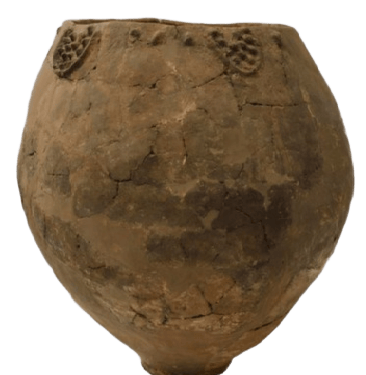
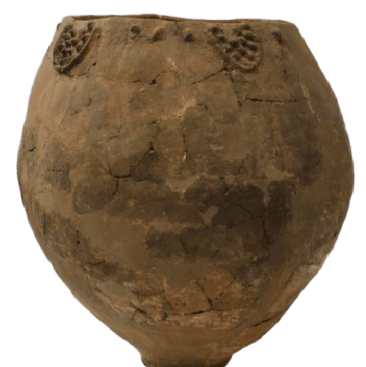
Archaeological evidence confirms that Georgia is the earliest known origin of winemaking. For millennia, wine has been produced in large clay vessels known as qvevri, buried underground to allow for natural temperature regulation and fermentation. The oldest wine-related artifact ever discovered worldwide is an 8,000-year-old qvevri unearthed in Georgia. Following this discovery, Georgia has been internationally recognized as the birthplace of wine.
Notably, this ancient tradition has remained a living practice. To this day, a significant proportion of Georgian wine is still produced in qvevri using methods passed down through generations. Both the winemaking process and the craftsmanship of qvevri production have been preserved through continuous cultural transmission. Wine is not merely an agricultural product in Georgia; it is an integral part of national identity. The traditional Georgian qvevri winemaking method is officially recognized by UNESCO as Intangible Cultural Heritage of Humanity.
Modern scientific research increasingly acknowledges that Georgian wine is distinguished not only by its expressive sensory profile but also by its potential health-related attributes. In traditional qvevri winemaking, the grape juice is fermented together with the grape skins, seeds, and stems, without filtration at the initial stage. The entire grape mass undergoes fermentation in the qvevri, after which the solids naturally settle at the bottom of the vessel. Only once fermentation is complete is the wine separated from the pomace. This extended skin contact contributes to higher mineral content and structural complexity, which is often associated with the distinctive character and perceived health benefits of Georgian wines.
Today, Georgian producers also employ European winemaking techniques; however, qvevri wines command a premium position due to their authenticity, heritage, and limited production.
Over the past two centuries, Georgia was incorporated first into the Russian Empire and later into the Soviet Union. During the Soviet period, Georgian wine became the most widely consumed wine across the union. As a result, Georgian wine maintains strong recognition and demand throughout Eastern Europe today. In parallel, its presence in Western Europe and the United States has expanded rapidly in recent years, as evidenced by steadily increasing export volumes that continue to grow year over year.
Georgia offers an exceptionally diverse wine landscape capable of meeting even the most discerning palates. The country is home to more than 500 endemic grape varieties, several of which have gained international recognition, including Saperavi, Khvanchkara, Kisi, Rkatsiteli, and Mtsvane. This diversity allows importers to build highly differentiated portfolios across styles, price segments, and consumer preferences.
Our mission is to support outstanding Georgian wineries in accessing new international markets, while enabling importers seeking distinctive and authentic wines to enrich their portfolios. Through carefully facilitated partnerships, we aim to introduce global wine markets to the enduring character, craftsmanship, and unforgettable taste of Georgian wine.
Are you interested in importing Georgian wines?
Amber Wine
Did you know that?
Amber wine originated in Georgia over 8,000 years ago.


Amber wine—often referred to internationally as “orange wine”—is produced by fermenting white grapes together with their skins, seeds, and stems, a method fundamentally different from conventional white winemaking. This extended skin contact gives the wine its characteristic amber hue, as well as greater structure, complexity, and depth.
This technique is not a modern innovation. It originated in Georgia, where winemakers have used buried clay vessels known as qvevri for thousands of years. In traditional Georgian winemaking, white grapes are crushed and fermented whole in qvevri, allowing the wine to naturally extract tannins, minerals, and phenolic compounds during fermentation. Once the process is complete, the solids settle naturally at the bottom of the vessel, and the wine is separated without mechanical filtration.
Only in recent decades has amber wine gained international attention, particularly among sommeliers, natural wine producers, and premium wine lists. What is often perceived today as a contemporary trend is, in fact, one of the world’s oldest winemaking techniques—continuously practiced in Georgia for millennia.
This historical authenticity, combined with growing global demand for distinctive and terroir-driven wines, has positioned Georgian amber wines as a unique and highly differentiated category within international wine portfolios.
Would you like to import amber wine?